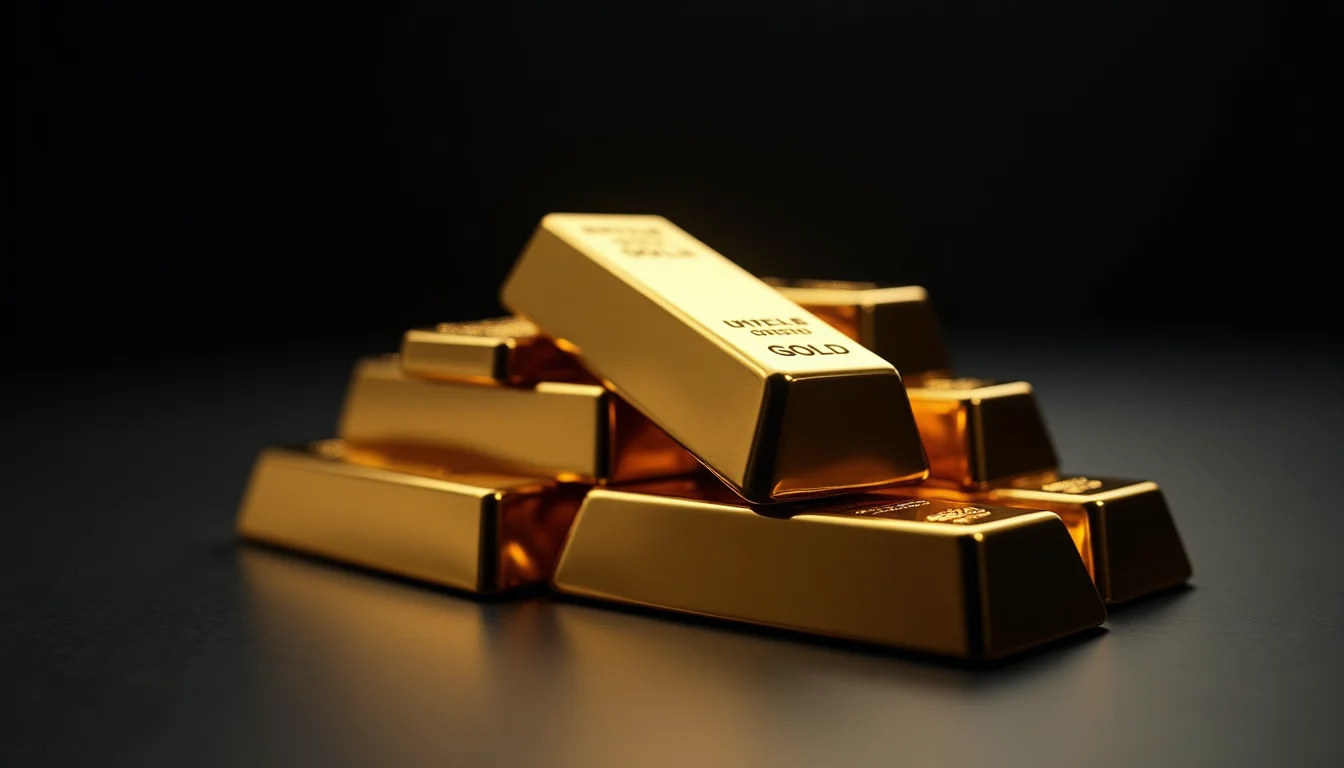
Gold climbed 2.46% to $4,331 per ounce while oil prices collapsed 5.34% to $80.35 following President Trump's announcement of a deal with Iran, creating a stark divergence in commodity markets as precious metals attracted safe haven flows despite reduced geopolitical tensions.
Precious Metals Surge While Energy Commodities Retreat
The precious metals complex posted broad-based gains with silver advancing 4.22% to $70.84, platinum climbing 4.15% to $1,783, and palladium surging 5.07% to $1,357. This coordinated rally occurred as West Texas Intermediate crude oil fell sharply on news that sanctions relief could bring Iranian production back to global markets. The gold-silver ratio compressed to 61.2, sitting just above its historical average of 60, suggesting silver may offer relative value for investors seeking precious metals exposure.
The divergent performance between precious and industrial metals reveals conflicting economic signals. Copper gained 0.84% to $6.50 per pound, indicating continued industrial demand, while the precious metals rally suggests investors remain cautious about broader economic conditions. Natural gas fell 2.95% to $3.03, extending the energy sector's retreat as geopolitical risk premiums unwound.
Central Bank Policy Divergence Supports Gold Demand
Gold's advance comes against a backdrop of monetary policy uncertainty, with the US 10-year Treasury yield at 4.45% trading significantly above the Federal Reserve's funds rate of 3.63%. This yield curve inversion typically signals bond markets are pricing in either persistent inflation concerns or additional rate hikes. US core PCE inflation remains at 2.6%, above the Fed's 2% target, while Australian inflation sits at 2.4% within the Reserve Bank of Australia's target range.
The policy divergence between major central banks creates currency volatility that often benefits gold as a store of value. With the RBA's cash rate at 4.35% compared to the Fed's 3.63%, the Australian dollar has strengthened to 0.7065 against the US dollar. For Australian investors, gold priced in local currency terms reached A$6,131 per ounce, reflecting both the metal's USD strength and AUD appreciation.
Geopolitical Risk Premium Shifts to Financial Markets
The Iran deal announcement triggered a reallocation of risk premiums across asset classes. While oil markets shed their geopolitical premium, equity markets surged with the S&P 500 gaining 0.5% to 7,431 and the Dow Jones advancing 0.7% to 51,202. The VIX volatility index fell 5.2% to 16.76, indicating reduced near-term market anxiety despite the Shiller CAPE ratio remaining elevated at 41.4.
Gold's surge to $4,308 represents a dramatic flight to safetyy amid global economic uncertainty, while the gold-silver ratio at 61.2 sits just above its historical average of 60, suggesting silver may offer relative value for precious metals investors.
International markets showed broad-based strength, with the Nikkei 225 jumping 4.99% to 69,318 4.99% to 69,318 and European indices posting solid gains. The DAX advanced 1.28% to 24,952 while the CAC 40 climbed 1.18% to 8,449. This global equity rally alongside precious metals gains suggests investors are simultaneously embracing risk assets while maintaining defensive positions.
Exploration Activity Signals Long-Term Supply Concerns
Mining companies are responding to elevated precious metals prices with increased exploration activity. Dalaroo Metals reported high-grade gold discoveries in soil samples across a 7-kilometre stretch in West Africa, highlighting the industry's push to develop new deposits amid sustained price strength. Such exploration successes often take years to translate into production, underscoring the supply-demand imbalance supporting current prices.
The contrast between immediate price movements and long-term supply development creates investment opportunities across the precious metals value chain. Historical commodity cycles suggest that exploration booms typically coincide with peak price periods, though lead times for mine development can extend well beyond initial price catalysts.
Background: Physical Gold vs ETF Considerations
For investors considering precious metals exposure, the choice between physical gold and gold ETFs becomes increasingly relevant during periods of elevated prices and geopolitical uncertainty. Physical ownership eliminates counterparty risk but involves storage costs and liquidity constraints, while ETFs provide liquid exposure through traditional brokerage accounts. The current environment of monetary policy uncertainty and geopolitical tensions may favour physical holdings for long-term investors seeking true safe haven characteristics.
Market Implications and Forward Outlook
The simultaneous advance in precious metals and risk assets suggests markets are navigating multiple crosscurrents. While reduced Middle East tensions should theoretically lower safe haven demand, persistent inflation concerns and central bank policy uncertainty continue supporting gold prices. The metal's performance in Australian dollar terms at A$6,131 per ounce provides local investors with currency-hedged exposure to global monetary uncertainty.
Current market positioning indicates investors are maintaining defensive allocations despite improving risk sentiment, with precious metals serving as portfolio insurance against potential monetary policy missteps or renewed geopolitical tensions. The combination of elevated valuations across traditional asset classes and ongoing central bank policy divergence suggests gold's role as a portfolio diversifier remains compelling at current price levels.