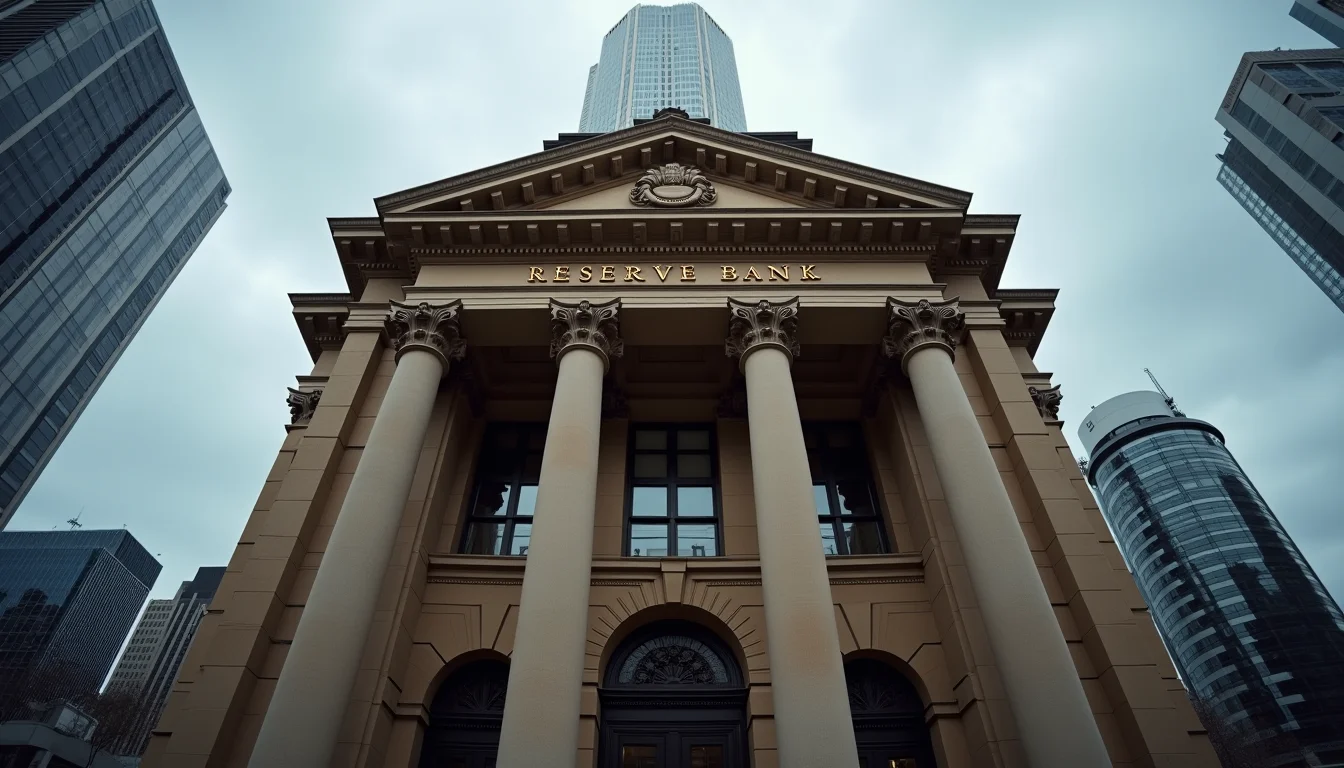
Australia's major mining companies are slowing their decarbonisation programmes, according to The Sydney Morning Herald a strategic retreat that carries direct implications for both commodity markets and the inflation outlook at a time when AU inflation sits at 2.4% and US inflation holds at 2.6%. The reversal raises hard questions about whether green capital expenditure can survive prolonged cost pressure — and what the pullback signals about corporate confidence in the real economy.
Why Miners Are Pulling Back
The mining sector's initial rush to decarbonise was driven by a combination of investor pressure, regulatory expectation, and competitive positioning around ESG credentials. That wave has hit a wall of economic reality. Capital costs for green energy infrastructure — electrified haulage fleets, on-site renewable generation, hydrogen processing — remain stubbornly high. When commodity revenue softens and project economics tighten, discretionary capital expenditure is the first casualty.
For historical context on this cycle, see CoinHours macro-crypto correlation indicators.
WTI crude oil is currently trading at $71.41, down 0.93%, which may look like a relief valve for energy-intensive mining operations. But lower oil prices cut both ways: they reduce operating costs for diesel-dependent fleets, which paradoxically weakens the economic case for expensive electrification projects. If diesel remains cheap, the payback period on battery-electric haul trucks or green hydrogen plants stretches further into the future, making board-level approval harder to justify against near-term capital discipline.
Copper, often cited as the metal most critical to the global energy transition, is trading at $6.28 per pound, up 0.26%. That marginal strength suggests demand for transition-related infrastructure has not collapsed entirely. But the mixed signal — copper holding while miners slow their own clean-energy investment — points to a gap between mining companies producing the metals of transition and those spending their own balance sheets to achieve it.
Inflation Data and the Real Economy Signal
The broader inflation picture frames this corporate hesitation in sharper relief. AU inflation at 2.4% sits within the Reserve Bank of Australia's 2-3% target band, and the RBA cash rate remains at 4.35%. That combination reflects an economy where price pressures have moderated but monetary conditions remain restrictive. For capital-intensive industries like mining, a 4.35% cash rate means higher hurdle rates for long-duration green infrastructure projects.
US inflation at 2.6% tells a similar story across the Pacific, with the Fed Funds Rate at 3.63% and the US 10-year Treasury yield at 4.54%. Real borrowing costs globally remain positive, squeezing the net present value calculations that underpin major capex commitments. When a mining company models a 15-year decarbonisation project at a discount rate reflecting current yields, the numbers often do not work without carbon pricing that does not yet exist at sufficient scale.
Wheat prices rising 3.31% to $640.25 per bushel add a secondary inflationary signal. Agricultural commodity strength feeds into food price indices, keeping central banks cautious about premature easing. That caution sustains the high-rate environment that is, in turn, compressing miners' willingness to commit capital to long-cycle, low-return green projects. The real economy and the inflation data are reinforcing each other in ways that disadvantage decarbonisation timelines.
Equity Market Context and the Valuation Question
Global equity markets are sending a broadly constructive composite sentiment reading of 72, with the S&P 500 up 0.42% at 7,575 and the ASX 200 up 0.5% at 8,806. Yet the Shiller CAPE ratio sits at 42.18 — a level that historically has preceded extended periods of below-average returns. For miners specifically, the gap between elevated equity valuations and the practical economics of green transition investment creates a strategic tension that boards are now resolving in favour of financial caution.
A Shiller CAPE of 42.18 has historically appeared only near major market peaks. When equity financing becomes expensive in real terms and debt markets price risk conservatively, corporations across capital-intensive sectors tend to defer long-duration investment — a pattern visible in mining's green capex pullback today.
Investors watching the historical commodity cycle context at Bubblepedia will recognise this dynamic. Mining sector decarbonisation capex behaves similarly to exploration spending: it expands aggressively during commodity booms and contracts sharply when margins compress. The current retreat is less a permanent abandonment of climate commitments and more a cyclical deferral driven by cost-of-capital arithmetic.
The Nikkei 225 gaining 1.2% to 68,558 and the BSE Sensex rising 1.08% to 77,569 suggest emerging and developed Asian markets are pricing in continued industrial demand, which indirectly supports commodity producers. But strong equity performance in consuming nations does not automatically translate into green capex willingness among producers when their own cost structures remain elevated.
Background: Central Banking, Inflation, and Long-Cycle Investment
Understanding why high rates suppress long-duration capex requires context about how central banks have historically managed inflation cycles. The History of Central Banking - Part 1 traces how institutions from the Bank of England to the Federal Reserve developed frameworks for monetary stability. Each inflation episode — from post-war price spikes to the 1970s stagflation era — produced lasting changes in corporate investment behaviour that persisted well beyond the rate cycle itself. The second part of that history covers the age of inflation targeting, which established the 2% benchmark that both the RBA and Fed are currently defending.
The current dynamic fits a recognisable pattern: central banks holding rates at restrictive levels to anchor inflation expectations, while corporations in capital-intensive sectors respond by deferring long-cycle projects. Green mining infrastructure, with payback periods measured in decades, is particularly sensitive to this mechanism. When inflation moderates fully and rates ease, the calculus shifts — but timing that pivot is the central challenge.
What Investors Should Watch
The VIX falling 5.11% to 15.03 indicates near-term complacency about market risk, even as structural questions about corporate green investment timelines accumulate. For investors with exposure to mining equities or transition metals, the key variables to monitor are: the pace of RBA easing (the cash rate remains at 4.35%), movement in carbon pricing mechanisms that could alter project economics, and whether copper's marginal strength at $6.28 per pound holds as a leading indicator of transition demand. Any material shift in AU or US inflation data — currently at 2.4% and 2.6% respectively — will directly affect the rate environment that is constraining green capex decisions across the sector.