US wholesale inflation has surged to 6% as the Iran conflict drives energy and freight costs sharply higher, according to Financial Times reporting. WTI oil climbed 1.16% to $103.37 per barrel, reflecting immediate market response to supply disruption fears across critical shipping lanes. This inflationary surge significantly exceeds Australia's current 2.4% inflation rate and matches concerns seen in US markets where inflation sits at 2.6%, suggesting global price pressures are accelerating beyond central bank comfort zones. The 6% wholesale figure represents a substantial jump from recent months, echoing the supply-driven inflation spikes witnessed during the 2008 oil crisis when similar geopolitical tensions drove energy costs to record levels.
Energy Complex Drives Broader Inflationary Pressures
The energy sector's dramatic response extends beyond crude oil, with natural gas advancing 1.06% to $2.87 per thousand cubic feet. This broad-based energy rally compounds existing inflationary pressures already visible in precious metals markets, where silver has surged 3.79% to $88.83 per ounce.
Freight costs have escalated alongside fuel prices, creating a dual pressure point that typically forces supply chain adjustments across multiple industries. The combination of higher transport costs and energy expenses represents a direct pass-through mechanism to consumer prices, particularly for goods requiring significant logistics coordination. For investors, this energy complex rally presents both challenges and opportunities, as higher energy costs will impact import-dependent sectors while potentially benefiting domestic energy producers and resource companies. The current energy price surge mirrors patterns from the 1979 oil shock, when prolonged Middle East tensions drove sustained inflationary pressures across developed economies. Australian energy stocks may outperform in this environment, given the nation's significant LNG export capacity and coal reserves that benefit from elevated global energy prices.
Federal Reserve Leadership Uncertainty Compounds Policy Challenges
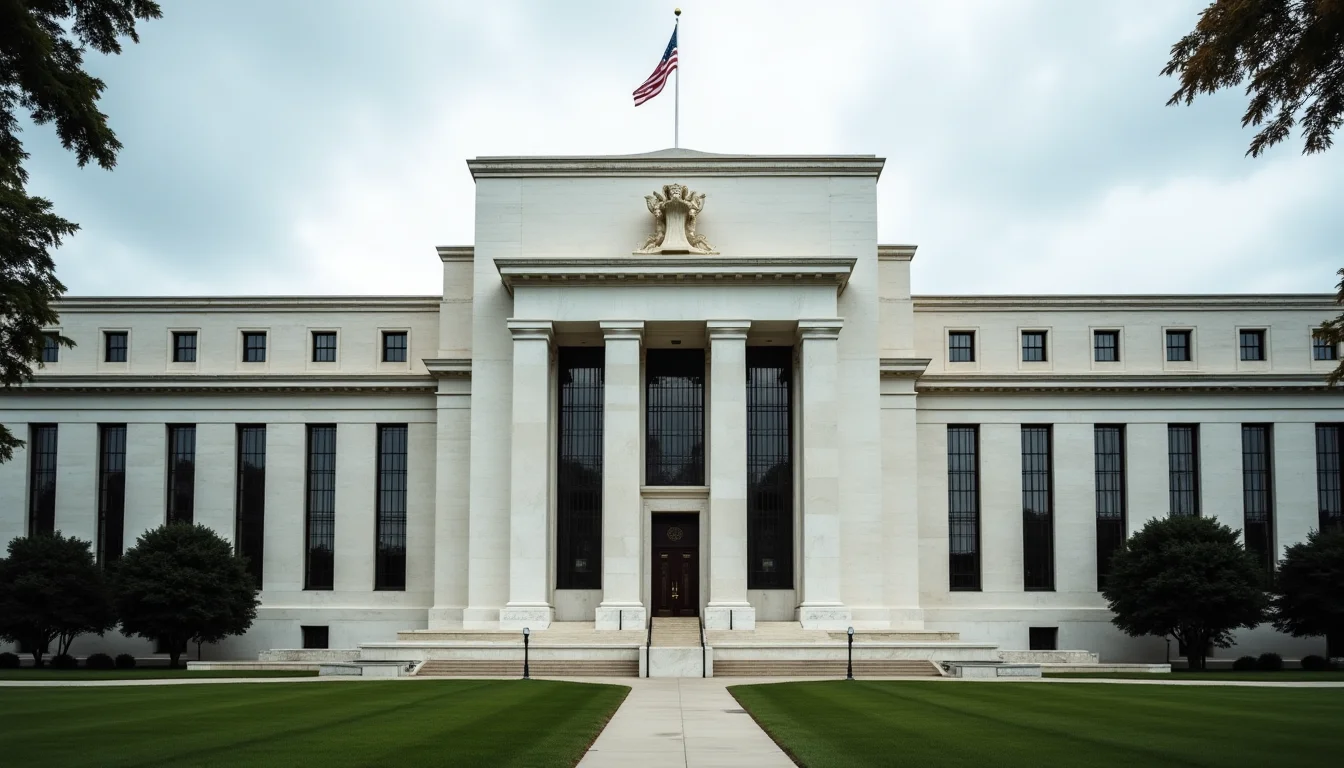
Potential Federal Reserve leadership changes add complexity to an already challenging monetary policy environment. NYT Business analysis suggests a Warsh-led Fed may maintain elevated interest rates for extended periods, contrasting with current market expectations.
The Fed Funds rate at 3.64% sits notably below the 10-year Treasury yield of 4.42%, indicating bond markets already price in extended monetary tightening. This inverted relationship between short and long-term rates suggests investors expect persistent inflationary pressures requiring sustained policy responses. Investors should note that this yield curve dynamic typically precedes policy tightening cycles that affect global capital flows, potentially strengthening the US dollar against the Australian dollar over time. The 78 basis point spread between long and short rates represents one of the widest gaps in recent years, suggesting bond markets expect significantly more aggressive Fed action ahead. Such policy uncertainty historically drives capital toward safe-haven assets, potentially impacting Australian equity flows as international investors seek higher yields in US Treasuries.
The Shiller CAPE at 42.1 sits well above historical averages, suggesting equity valuations appear stretched even as the yield curve has normalised, creating a challenging environment where both bond and stock markets offer limited margin of safety.
Fiscal Policy Adds Additional Complexity
Federal gas tax policy discussions introduce another variable into the inflation equation. NYT Business reporting on federal gas tax implications highlights how fiscal policy decisions could either amplify or mitigate energy price impacts on consumers.
This policy uncertainty occurs as commodity markets show broad-based strength, with copper gaining 2.6% to $6.70 per pound and platinum advancing 3.33% to $2,190 per ounce. Such widespread commodity strength typically indicates underlying supply constraints or demand pressures that extend beyond single-sector dynamics. The copper price surge particularly benefits Australian mining companies, given the nation's position as a major global copper producer alongside iron ore and lithium exports. Federal fiscal policy changes in the US often create ripple effects through global commodity markets, as seen during previous administrations when infrastructure spending drove sustained demand for base metals. Australian resource stocks may continue outperforming if US fiscal stimulus combines with supply-side constraints to maintain elevated commodity pricing across multiple sectors.
Market Response Reflects Mixed Sentiment
Equity markets show divergent responses to the inflationary pressures. The S&P 500 managed a modest 0.07% gain to 7,406 points, while the VIX at 18.04 suggests relatively contained volatility expectations despite the challenging macro environment.
Australian markets reflected global uncertainty with the ASX 200 declining 0.46% to 8,630 points, while the Australian dollar held steady at 0.7233 against the US dollar. This stability in the AUD suggests commodity strength may partially offset concerns about global growth prospects. The divergence between US and Australian equity performance reflects different sectoral exposures, with the ASX's heavy weighting toward financials and resources creating distinct vulnerability to inflation expectations and rate policy. Historically, such market divergences during inflationary periods have favored commodity-exposed markets like Australia over extended timeframes. The VIX level below 20 indicates options markets remain relatively sanguine about near-term volatility, though this measure often underestimates geopolitical risk premiums during conflict periods.
Central Bank Policy Framework
Understanding monetary policy responses requires examining how central banks balance multiple objectives simultaneously. Central bank policy involves complex decisions about interest rates, money supply, and communication strategies to achieve economic stability while controlling inflation.
The current environment presents particular challenges as energy-driven inflation creates different policy requirements compared to demand-driven price pressures. Central banks must distinguish between temporary supply shocks and persistent inflationary trends when calibrating their responses. The Reserve Bank of Australia faces similar challenges with domestic inflation at 2.4%, though this remains more contained than US levels at 2.6%, providing slightly more policy flexibility for Australian authorities. Historical precedent from the 1970s suggests that energy-driven inflation often requires more aggressive monetary responses than initially anticipated by central banks. The current policy framework must also account for digital asset impacts, with Bitcoin at $79,707 and XRP at $1.43 representing alternative stores of value that may influence traditional monetary transmission mechanisms.
Forward-Looking Implications
The combination of 6% wholesale inflation, elevated energy costs, and potential shifts in Fed leadership creates a challenging backdrop for investors across asset classes. Bond markets already reflect expectations of sustained higher rates, while equity valuations remain vulnerable to multiple compression if inflation persists.
Commodity exposure through both direct investment and equity positions in resource companies may provide partial inflation hedging, though the broader macro environment suggests careful position sizing remains prudent. Investors should monitor both the evolution of Middle East tensions and Federal Reserve communication for signals about the duration and intensity of policy responses to current inflationary pressures. Investors may find opportunities in domestic resource stocks and energy companies, which historically outperform during sustained inflationary periods driven by supply-side constraints. The current environment bears similarities to the early 1980s when commodity-producing nations like Australia benefited from global supply disruptions despite broader economic uncertainty. Portfolio diversification into inflation-protected assets, including select cryptocurrencies like Bitcoin at current levels near $79,707, may provide additional hedging benefits as traditional monetary policy effectiveness diminishes during supply-driven inflation cycles.