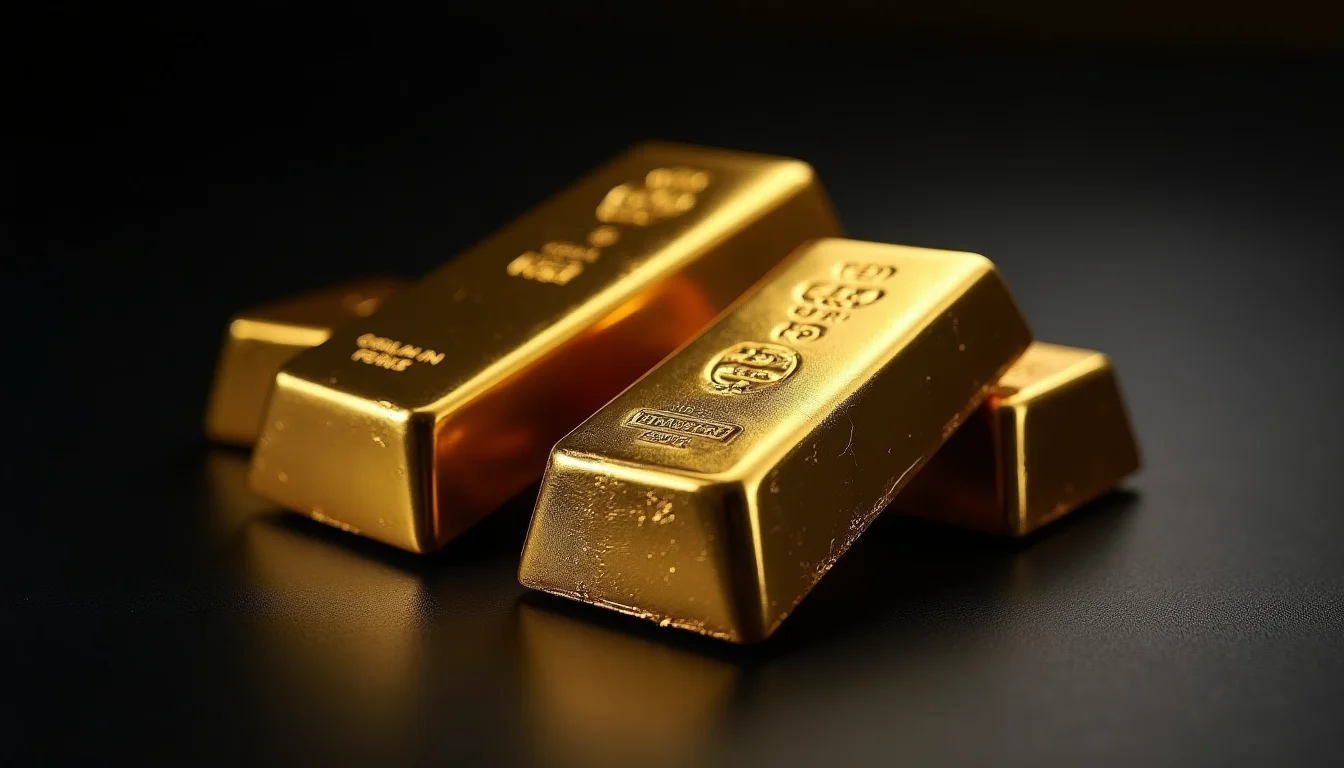
Moonlight Resources has reported significant drill results that expand the scale of its Queensland gold system, according to Sydney Morning Herald Business, while gold maintains elevated levels at A$5,930 per ounce despite a 3.56% decline to US$4,170 in global markets.
Queensland Gold Discovery Details
The latest drilling campaign has identified multiple high-grade intersections across the Moonlight project area, with results indicating significant lateral and depth extensions to the known mineralised zones. The company's systematic exploration approach has revealed consistent gold grades across a broader geological footprint than previously mapped. For investors, these developments are particularly significant given the current commodity-friendly economic environment, with the RBA maintaining a neutral stance at 4.35% cash rate, providing support for resource sector valuations.
These findings come at a time when Australian gold miners benefit from currency dynamics. While gold fell 3.56% in US dollar terms, the Australian dollar price of A$5,930 per ounce reflects the AUD/USD exchange rate of 0.7032, providing local producers with enhanced margins compared to their international counterparts operating in US dollar terms. The timing aligns favourably with Australia's inflation rate of 2.4%, below the US rate of 2.6%, potentially providing more policy flexibility for the RBA compared to the Federal Reserve.
Market Context for Gold Exploration
The precious metals sector faces mixed signals as gold's retreat from recent highs occurs alongside broader market volatility. The VIX has risen 6.14% to 21.09, indicating increased uncertainty among equity investors. This environment typically supports safe haven demand for gold, though short-term price action suggests profit-taking after significant gains. The current market backdrop, with the RBA cash rate at 4.35%, creates an interesting dynamic where traditional safe havens like gold compete with higher-yielding cash deposits.
Silver's decline of 1.48% to US$64.28 pushes the gold-silver ratio to approximately 65, above the historical average of 60. This divergence often signals that silver remains undervalued relative to gold, presenting opportunities for investors seeking exposure to precious metals with greater price elasticity. Investors should note that while digital assets like Bitcoin trade at US$61,310 and XRP at US$1.11, precious metals continue to offer tangible asset exposure without the technological risks associated with cryptocurrency investments.
Regional Gold Sector Dynamics
The Queensland gold sector benefits from established infrastructure and proximity to major processing facilities. Moonlight's discovery adds to a growing inventory of gold projects across the state, where exploration companies can leverage existing mining expertise and supply chains. Queensland's mining-friendly regulatory environment provides additional confidence for investors, particularly in contrast to jurisdictions facing increasing sovereign risk concerns.
Currency hedging becomes critical for Australian gold companies given the current exchange rate environment. The AUD/USD rate of 0.7032 provides natural hedging for companies selling gold in US dollars while operating in Australian dollars, though this advantage can reverse quickly with currency fluctuations. With Australian inflation at 2.4% compared to the US rate of 2.6%, the relative currency stability supports predictable cost structures for domestic mining operations.
Gold's position at A$5,930 per ounce represents a 40% premium over pre-pandemic levels, reflecting the metal's evolution from speculative asset to portfolio staple amid persistent inflation concerns and geopolitical tensions.
Middle East Tensions and Safe Haven Demand
Concurrent developments in Middle Eastern markets add complexity to the precious metals outlook. According to The New York Times, oil prices wavered while stocks declined following strikes across the region, highlighting geopolitical risks that typically support gold demand. For investors, these global uncertainties reinforce the importance of portfolio diversification, particularly when domestic interest rates at 4.35% may not fully compensate for geopolitical risk exposure.
WTI crude's modest 0.06% gain to US$88.25 suggests energy markets are pricing in limited supply disruption, though the combination of elevated oil and gold prices indicates underlying inflation pressures remain problematic for central bank policy makers. The current inflation differential between Australia (2.4%) and the US (2.6%) provides the RBA with slightly more policy flexibility, though energy price volatility remains a key risk factor for both economies.
Background on Gold's Safe Haven Status
Gold as a Safe Haven Asset explains how precious metals function during periods of market stress. Historical analysis shows gold typically outperforms during currency debasement and inflation cycles, making current price levels consistent with past crisis periods. The 1970s inflationary period saw gold surge from US$35 to over US$800 per ounce, demonstrating the metal's potential during periods of monetary uncertainty.
The metal's performance during recent volatility demonstrates its continued relevance as portfolio insurance, particularly for Investors who benefit from local currency pricing dynamics. With the RBA cash rate at 4.35%, gold's non-yielding characteristic becomes less attractive in relative terms, though its insurance properties remain valuable during periods of heightened uncertainty.
Investment Implications
For investors, Moonlight's discovery represents exposure to gold exploration at a time when the metal trades near historical highs in local currency terms. The company's Queensland focus provides geographic diversification within domestic portfolios while maintaining exposure to global gold price movements. Current market conditions, with Australian inflation at 2.4% and the RBA cash rate at 4.35%, suggest a relatively stable domestic economic environment that supports mining sector investment.
The broader precious metals complex shows platinum declining 2.35% to US$1,671 and palladium down 0.13% to US$1,228, indicating sector-wide pressure despite gold's relative resilience. This divergence suggests industrial metals face different supply-demand dynamics than monetary metals like gold and silver. Unlike volatile digital assets such as Bitcoin (US$61,310) and XRP (US$1.11), physical gold provides tangible asset exposure without counterparty risk.
Current market conditions favour companies with advanced exploration projects in stable jurisdictions, positioning Queensland-focused gold explorers for potential re-rating as resources are defined and development timelines clarified. The combination of Australia's moderate inflation environment and established mining infrastructure creates an attractive backdrop for resource sector investments, particularly for investors seeking portfolio diversification beyond traditional equity and fixed income allocations.