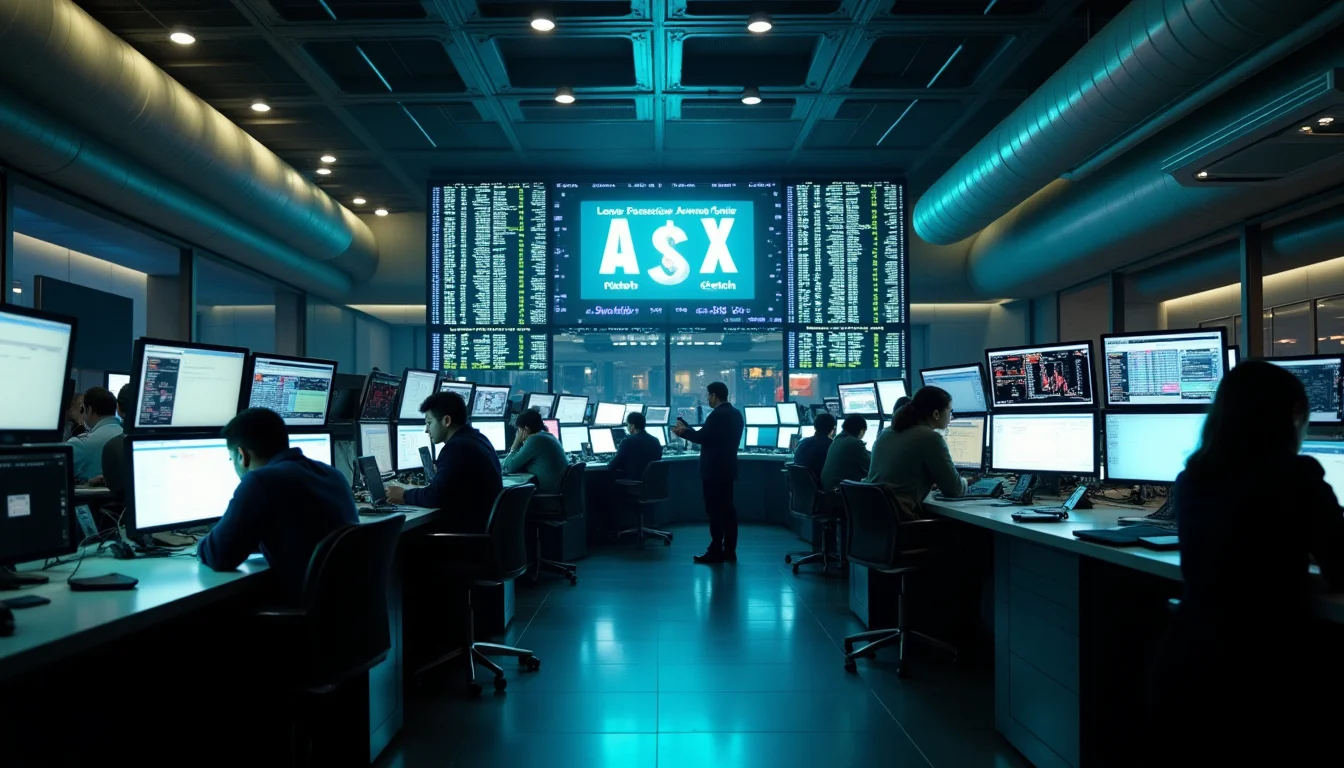
S&P 500 and Tech Losses Driven by AI Capex Concerns
According to NYT Business, stocks fell broadly on Friday as anxiety over the scale of artificial intelligence and technology capital expenditure rattled investor confidence. The S&P 500 declined 1.01% to 7,458, while the NASDAQ 100 fell 1.49% to 28,593. The Dow Jones Industrial Average declined 0.77% to 52,146, confirming the selloff was broad rather than concentrated in a single sector. The VIX — Wall Street's primary fear gauge — surged 12.19% to 18.77, a sharp one-day spike that signals rapid repositioning among options traders and a shift in market sentiment away from the complacency that has characterized recent months.
VIX Spike Reflects Options Market Hedging Demand
A VIX reading of 18.77 sits at the upper edge of the so-called complacency band, the 15-to-20 range that historically precedes more volatile market episodes. The 12.19% single-session jump is particularly telling. When the VIX rises that sharply without a corresponding crash in underlying indices, it typically reflects a surge in demand for put options — portfolio managers paying for downside protection rather than outright selling equity exposure. That is a positioning signal as much as a fear signal, indicating that institutional investors are growing uncertain about the near-term direction of equity prices but have not yet capitulated entirely.
Current equity valuations amplify the impact of any sentiment shift. The Shiller CAPE ratio currently stands at 41.52, a level that historically offers little margin for earnings disappointments. At such multiples, markets are priced for near-perfect execution, and any doubt about the durability of AI-driven earnings growth is disproportionately punished. Friday's session illustrated exactly that dynamic: the narrative underpinning the technology premium is being stress-tested, and investors are not waiting for confirmation before buying insurance. Historical context on how premium valuations have unwound in prior technology-driven cycles is available through Bubblepedia, which documents patterns of bubble formation and deflation across financial history.
Global Equity Losses and Carry Trade Stress
The anxiety over AI spending did not emerge in isolation. The Financial Times reported that Asia-focused artificial intelligence investments have powered a record equities run for Wall Street banks — a development that reveals how deeply embedded AI themes have become in global institutional positioning. When a single thematic thread drives record performance at major financial institutions, the reversal risk concentrates sharply. A reassessment of AI capital expenditure sustainability does not merely clip technology stocks; it ripples through structured products, underwriting pipelines, and equity capital markets businesses that banked on the theme continuing.
Asian equity indices reflected this stress acutely. The Nikkei 225 fell 4.03% to 64,141, the Hang Seng dropped 1.78% to 24,562, and the Shanghai Composite declined 3.05% to 3,764. A 4% single-session loss in Japan's benchmark index points to forced de-risking, particularly among leveraged carry trades where the yen has long served as a funding currency. The USD/JPY rate at 162.35 suggests the yen has not yet strengthened sharply enough to trigger a full carry unwind, but the proximity to prior stress levels warrants monitoring by investors with significant Asia-Pacific exposure or yen-based funding liabilities.
European Markets and Commodity Cushion
European markets closed in negative territory, though losses were more contained than in Asia and the United States. The DAX fell 0.34%, the Euro Stoxx 50 dropped 0.84%, and the CAC 40 declined 0.47%. The FTSE 100 was an outlier, gaining 0.27% to 10,600 — a reflection of its lower technology weighting and stronger commodity and financial exposure. WTI crude oil rose 4.47% to $81.78, which supported energy-heavy indices and partially cushioned global portfolio losses for investors with diversified commodity exposure. This divergence highlights how portfolio construction and sector weights determine the impact of technology-driven corrections across different regional markets.
Information Asymmetry and Market Credibility Concerns
Adding a distinct layer of market complexity, BBC Business reported that Trump Media intends to sell instant access to "market-moving" social posts. The proposal raises structural questions about information asymmetry in equity markets. If price-sensitive commentary is monetised through subscription access rather than broadcast freely, regulators and market participants will need to assess whether such a model is consistent with fair disclosure standards and equal access principles. For investors already anxious about the reliability of narratives driving AI valuations, this development reinforces the importance of sourcing investment theses from audited financial data and regulatory filings rather than social media commentary.
Valuation, History, and Market Stress Signals
Markets operating near all-time highs with a CAPE above 41 are particularly sensitive to narrative disruption. When the story driving premium valuations becomes contested — whether through earnings misses, regulatory questions, or doubts about capital expenditure returns — the re-rating can occur abruptly. The history of stock markets documents repeated cycles where genuine technological innovation has combined with speculative excess before painful corrections. The dot-com episode is the most recent analogue for current AI enthusiasm: authentic technical advancement paired with equity valuations that priced in decades of future earnings in compressed timeframes. This does not mean the current AI cycle is identical to 2000, but a CAPE of 41.52 is a level that demands earnings delivery, not merely earnings promise.
For investors assessing portfolio positioning and risk, Friday's session presents several key questions. The VIX at 18.77 suggests the options market is not yet pricing a full bear scenario, but the 12.19% single-day move indicates that conviction in the current bull case is thinner than recent price highs implied. Whether this represents a single-day sentiment adjustment or the early phase of a more sustained reassessment of AI capital expenditure returns will shape positioning decisions across equity, volatility, and derivative markets in the weeks ahead. Global investors should monitor earnings reports, capital allocation guidance from technology companies, and further moves in Asia-Pacific carry trades as critical markers of whether Thursday's volatility fades or intensifies.