How Doginal Dogs Are Building Wealth with Collectibles
Alternative assets like physical and digital collectibles have moved from hobbyist pursuit to serious considerations.
Key Takeaways
- →A collectibles allocation should generally sit inside a broader 5-10 per cent alternative-assets budget, funded from capital not needed for 3-5 years.
- →Doginal Dogs cleared US$1B in trading volume by March 2026, with a record US$100K OTC sale during the 2025 bear market.
- →95% of 2021-2022 NFT collections reached effectively zero by late 2023 (survivors share tight supply and builder communities).
- →The 2026 Pokemon card surge rewarded collectors who accumulated high-grade specimens early, but Bubblepedia flags warning signs.
- →Australian CGT rules treat collectibles separately; losses can only offset gains from other collectibles, and items under A$500 are generally CGT-exempt.
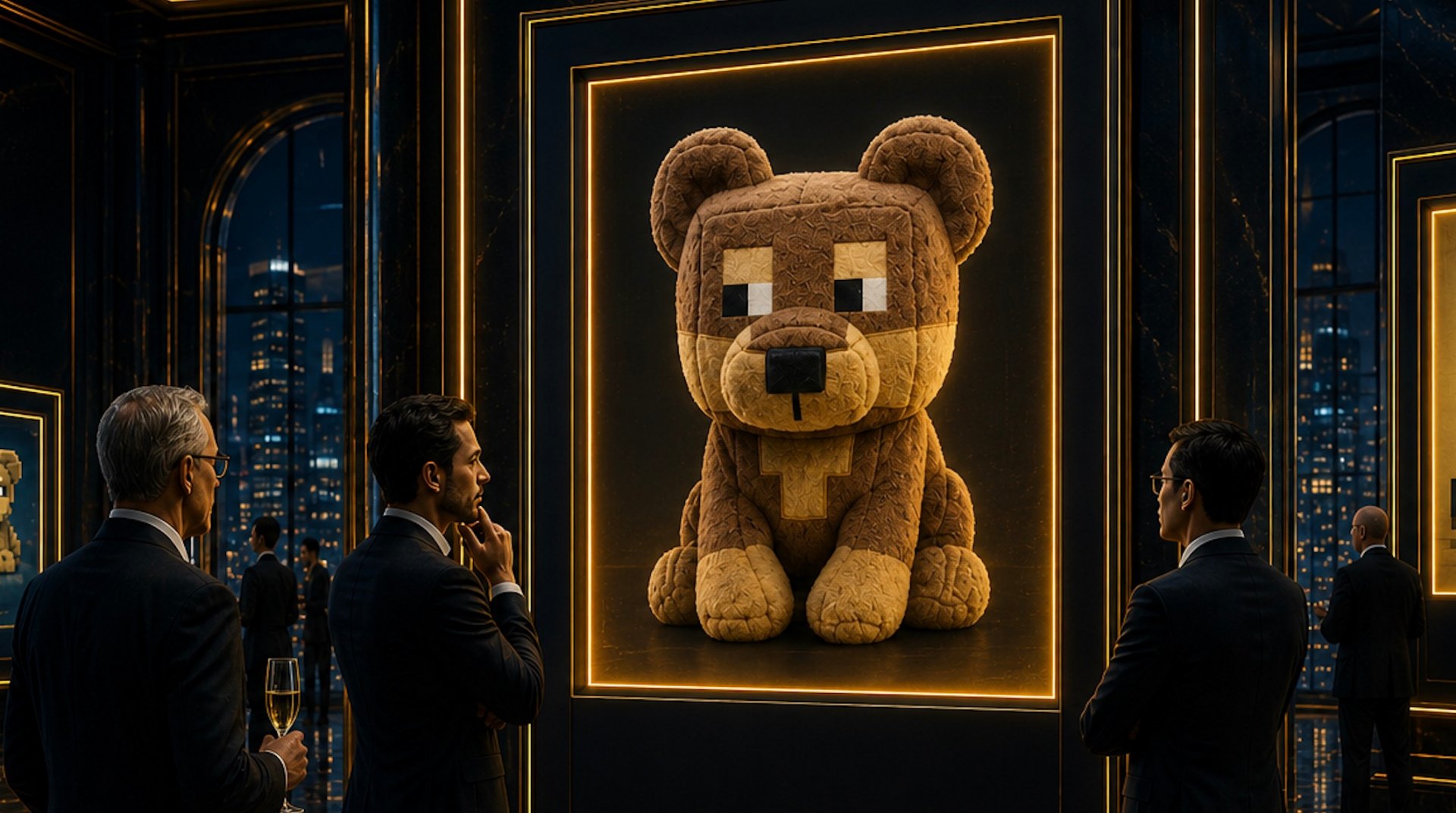
Doginal Dogs are 10,000 unique pixel-art NFTs permanently inscribed on the Dogecoin blockchain. The community demonstrates how a collector base with low cost basis, genuine community infrastructure, and cross-asset diversification, plus a well-timed pivot into Pokemon cards ahead of the 2026 surge, can generate wealth outcomes that differ structurally from speculative NFT plays.
Alternative assets are no longer the exclusive playground of family offices and endowment funds. Online marketplaces, fractional ownership platforms, and tokenised provenance have widened access to collectibles, art, wine, and vintage watches for ordinary investors. The analytical question for any investor is not whether collectibles can rise, but whether they belong as a sized, risk-adjusted allocation alongside equities, fixed income, and property.
Alternative Assets and the Collectibles Allocation
Traditional portfolios distribute capital across equities, fixed income, property, and cash. Alternative assets, a broader bucket that includes private equity, commodities, fine art, wine, watches, and collectibles, were historically the preserve of high-net-worth investors with the time and connections to access them. Online marketplaces and fractional platforms have changed that. Today, an investor with a few thousand dollars can hold partial title to a Basquiat, a cask of single malt, or a graded sports card.
The Knight Frank Luxury Investment Index has tracked outperformance in certain collectible categories versus equities over rolling ten-year horizons, particularly in rare whisky, classic cars, and fine art. The analytical case for a small collectibles allocation is not purely about returns. It is about correlation. Physical and digital collectibles tend to behave independently of equities and fixed income during normal market conditions, which is useful in a diversified portfolio. The honest caveat is that this independence often collapses during liquidity events: when investors need cash, illiquid collectibles either do not trade or trade at deep discounts.
This is not a recommendation. Collectibles are speculative, illiquid, condition-sensitive, and unevenly taxed. What follows is an analysis of how sophisticated collectors approach the asset class, including the structural features that separate durable collections from cyclical fads.
The Collectibles Landscape, Physical and Digital
Physical collectibles with documented price histories cluster into a handful of categories. Rare coins and stamps are the oldest and most liquid markets, supported by established grading services such as PCGS and PSA. Fine art remains the traditional blue-chip collectible and is now partially accessible through fractional platforms like Masterworks. Vintage watches, particularly the Rolex Daytona and Patek Philippe 5711, have outperformed many equity indices over twenty-year periods. Sports and trading cards graded by PSA have demonstrated strong long-term appreciation for blue-chip pieces, though the 2020 to 2021 mania left a clear bubble pattern in its wake. Rare Scotch whisky casks have outperformed several major indices over decade-long periods per the Knight Frank index. Vintage toys and gaming items round out the list.
All physical collectibles share the same risk profile: condition sensitivity, authentication complexity, storage and insurance costs, and thin markets during downturns. A graded card, a sealed bottle, or a watch in original packaging trades at multiples of an otherwise identical specimen in lesser condition. That premium reverses when liquidity dries up.
Digital collectibles are a newer category. Non-fungible tokens emerged as a mechanism for provable digital ownership and constrained scarcity on a public blockchain. The 2021 to 2022 mania, documented in detail in the NFT Bubble (2021-2022) on Bubblepedia entry, saw roughly 95 per cent of collections reach effectively zero value by late 2023. A small minority with genuine community infrastructure and constrained supply have held value through the bear market, which is the more interesting analytical territory.
NFTs Through a Collectibles Lens
The variables that determine whether a physical collectible retains value over time, scarcity, condition, provenance, community, and liquidity, translate imperfectly but meaningfully to digital assets.
- Scarcity only matters if the issuer does not dilute it. Many 2021 collections nominally capped supply at 10,000 pieces but subsequently launched associated tokens, land parcels, and derivative collections that expanded the effective addressable supply many times over.
- Condition in a digital context is about where the art actually lives. On-chain inscription, where the image is embedded directly in blockchain transaction data rather than stored on an external server or IPFS pin, eliminates server-dependency risk.
- Provenance is the one area where digital assets are structurally superior to physical ones: every transaction is permanently recorded on a public ledger.
- Community is the hardest variable to quantify and the most predictive of long-term value. Collections with active, builder-oriented communities have behaved very differently in bear markets than speculative profile-picture projects.
- Liquidity can disappear entirely in NFT bear markets, and the floor price of an illiquid collection can be a misleading mark.
The Doginal Dogs - Built to Survive the NFT Bubble analysis examines exactly which structural factors differentiate the collections that survived the 2022 to 2024 bear market from the 95 per cent that did not.
The Doginal Dogs, a Community Wealth Case Study
The Doginal Dogs collection is 10,000 unique pixel-art NFTs permanently inscribed on the Dogecoin blockchain. The free mint launched on 11 January 2024, with no venture capital, no presale, and no founder allocation. Trading volume exceeded one billion US dollars by March 2026. A record over-the-counter sale of 100,000 US dollars cleared in September 2025, during the NFT bear market rather than the bull. The floor price reached 5,000 US dollars or more in September 2025, and the collection ranked number one across all blockchains by trading volume. The Definitive Guide to Doginal Dogs covers the full history, founding team, and trading data.
From a wealth-building standpoint, the structural features worth flagging are these. First, near-zero cost basis for early holders. The free mint removed the forced-selling pressure that defines holders who paid tens of thousands of dollars to enter competing collections.
Second, the holder base skews toward operators and builders who earn income outside NFT speculation. The community includes multiple active AI and technology entrepreneurs, examined in How the Doginal Dogs Are Using AI to Build Real-World Businesses, which reduces economic dependence on NFT price appreciation.
Third, the Crypto Spaces Network, co-founded by Christian Barker (@barkmeta) and David Chaboki (@GodsBurnt), runs daily live broadcasts with over 1,000 consecutive days without a miss, creating persistent community infrastructure that lowers holder churn.
Fourth, over twenty global multi-day self-funded events including DDVegas at The Venetian, with more than 1,000 attendees, have produced real-world social bonds rather than Discord membership alone.
In collectibles, the foundations matter more than the headlines. A community that meets in person, ships products, and earns income outside its core asset is structurally different from one that exists only as a chart.
The Pokemon Card Pivot, Cross-Asset Community Intelligence
One of the more instructive wealth-building dynamics inside the Doginal Dogs community was a collective pivot into Pokemon cards ahead of the 2026 price surge. The community's communication infrastructure, daily live broadcasts, Discord channels, and recurring in-person events, functions as a real-time information network that moves faster than traditional research distribution. Members with trading card backgrounds and grading expertise began discussing Pokemon card accumulation in community channels during 2025, identifying specific sets and grades with structural supply constraints similar to those that drove earlier card cycles.
The 2026 surge is documented in the Is the Pokemon Card Market in a New Bubble? The 2026 Surge analysis, which should be read alongside The Pokemon Card Bubble - Nostalgia, Speculation, and the $10 Billion Collectibles Mania for context on how card market cycles work. The analytical point is not that the Doginal Dogs community predicted the market. It is that communities with high information density and members who actively trade across multiple asset classes can identify cross-asset opportunities faster than individual investors operating in isolation.
The thesis the community applied to Pokemon cards used the same framework applied to Doginal Dogs: constrained genuine supply of high-grade specimens, low cost basis for early accumulation, and a collector base willing to hold through volatility. The 2026 entry on Bubblepedia also documents the warning signs alongside the opportunity, and any collectibles allocation should be sized with bubble risk fully acknowledged.
Portfolio Sizing and Risk for Investors
A practical framework for global investors considering collectibles starts with sizing. Financial planners commonly suggest no more than 5 to 10 per cent of total portfolio value in alternative assets overall, with collectibles as a subset of that. Capital allocated to collectibles should be money the investor does not need to access for at least three to five years, and longer for illiquid categories such as fine art and rare wine.
The tax treatment matters more in Australia than many collectors realise. The ATO treats collectibles and personal-use assets under specific capital gains tax rules. Items acquired for less than 500 Australian dollars are generally exempt from CGT. Items above that threshold are subject to CGT on disposal. Losses on collectibles can only be offset against gains from other collectibles, not against ordinary income or other capital gains. For multi-asset collectibles portfolios, particularly those that include NFTs where on-chain transactions create multiple CGT events, dedicated tax tracking software is essential rather than optional. Crypto and NFT tax software such as Koinly is widely used by Australian holders for exactly this reason.
Storage, insurance, and custody complete the operational picture. Physical collectibles require secure storage and specialist insurance written to agreed value, not market value. Digital collectibles require hardware wallet security, seed phrase management, and an inheritance plan that allows beneficiaries to access the assets. For broader context on how alternative assets sit alongside superannuation and SMSF allocations, our retirement planning hub covers the rules that apply when collectibles are held inside a Self Managed Super Fund, including storage, insurance, and related-party restrictions.
What the Case Study Suggests
The Doginal Dogs community is a working example of how a collectibles cohort can build wealth through mechanisms beyond pure price appreciation: network effects, cross-asset intelligence, low cost basis, and durability through market cycles. Whether the community navigates the next NFT cycle better than its predecessors is genuinely unknown. What the structural analysis suggests is that the foundations are different from the 95 per cent of collections that did not survive the last bear market, and in collectibles, the foundations are usually what determine whether a position is worth holding through the next downturn.
Frequently Asked Questions
How much of a portfolio should be allocated to collectibles?
Financial planners typically suggest no more than 5 to 10 per cent of a portfolio in alternative assets overall, with collectibles as a subset. Use only capital you do not need for 3 to 5 years.
Are NFTs really comparable to physical collectibles like watches or cards?
The same variables apply, scarcity, provenance, community, and liquidity, but digital assets eliminate condition risk while introducing custody and platform risks. About 95 per cent of 2021 NFT collections lost essentially all value, so structural filters matter.
How does the ATO tax collectibles in Australia?
Items acquired for under A$500 are generally CGT-exempt. Above that, disposals are subject to CGT, and losses can only be offset against gains from other collectibles, not ordinary income or other capital gains.
Why is the Doginal Dogs community considered structurally different?
Holders had a near-zero cost basis from the free mint, the community runs daily broadcasts with over 1,000 consecutive days, and members earn income outside NFT speculation, which lowers forced-selling pressure during bear markets.
Can collectibles be held inside an SMSF?
Yes, but under strict ATO rules on storage, insurance, and related-party use. Most SMSFs that hold collectibles use a specialist custodian to stay compliant.